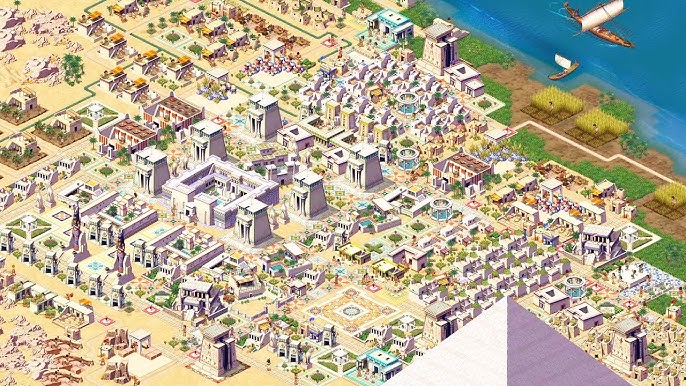
The ancient world of Egypt has always captivated us with its majestic pyramids, mysterious hieroglyphs, and rich mythology. But did you know that the ancient Egyptians were also pioneers of gaming? One such game, the Game of Pharaoh, is believed to be an early precursor to modern board and card games. Its deep ties to Egyptian culture and the concept of fate make it a fascinating historical artifact.
In this article, we will explore the Game of Pharaoh, its origins, and the enduring appeal of ancient Egyptian games. Additionally, we’ll introduce Cardanoir, a fun and strategic card game that offers a fresh way to enjoy card games today.
The Origins of the Game of Pharaoh
The Game of Pharaoh is an ancient Egyptian game, thought to have been played by the elite in Egyptian society. Much like modern board games and card games, it likely combined elements of strategy and chance. While little is known about the complete rules, archaeological evidence suggests that the game involved moving pieces across a board and perhaps using dice or similar objects to determine outcomes.
Although there is no definitive record of the exact rules of the Game of Pharaoh, historians speculate that it was similar to other ancient games like Senet, one of the oldest known board games in the world. The Game of Pharaoh may have had symbolic connections to the Egyptian belief in the afterlife, fate, and the guidance of the gods.
The Game’s Cultural Significance
Like many ancient Egyptian games, the Game of Pharaoh likely held spiritual significance. Games during this era were often more than just entertainment; they were a way to invoke the will of the gods or to demonstrate one’s luck and skill. The concept of Ma’at (cosmic order) and the role of fate played heavily into Egyptian thought, and games such as the Game of Pharaoh could be viewed as a metaphor for the journey through life and death, as well as a representation of balance and harmony.
It’s also possible that the Game of Pharaoh was used as a tool for education, teaching younger Egyptians strategy, patience, and luck—all of which were essential qualities in ancient Egyptian society.
The Similarities Between the Game of Pharaoh and Modern Games
While the exact rules of the Game of Pharaoh may never be fully known, many elements from the game seem to resemble modern board games and card games. Here are a few ways the Game of Pharaoh relates to contemporary games:
1. Strategy and Luck
Much like many modern card games or board games, the Game of Pharaoh likely required both strategic thinking and a bit of luck. Players would need to plan their moves carefully, similar to how we approach games like Chess, Checkers, or even Cardanoir.
2. Player Interaction
Games like the Game of Pharaoh brought people together, much as Cardanoir and other modern games do today. Board games and card games often serve as a social activity, and this was true in ancient Egypt as well. The game was likely played in social settings, contributing to relationships and cultural bonds.
3. Spiritual and Cultural Reflection
Many ancient games had spiritual or cultural meanings, and the Game of Pharaoh was no different. Just as modern card games like Cardanoir may encourage mental stimulation and strategy, ancient games often reflected a deeper connection to the worldview of the society. Whether invoking the gods, understanding fate, or simply having fun, these games were more than entertainment—they were a reflection of life’s greater challenges.
The Enduring Appeal of the Game of Pharaoh
Though it has been centuries since the Game of Pharaoh was last played, its legacy remains significant in understanding how ancient civilizations viewed games. The fascination with Egyptian games continues, with modern-day enthusiasts looking to recreate or reimagine these ancient pastimes.
There’s a certain mystique about games like Senet and the Game of Pharaoh. They offer a glimpse into the past, into a culture that valued both play and spiritual reflection. Even today, Egyptian-inspired games and other ancient games continue to spark interest among history buffs and game enthusiasts alike.
Cardanoir: A Modern Card Game to Enjoy
If you’re looking for a modern card game to enjoy after diving into the history of the Game of Pharaoh, consider playing Cardanoir. This fun and strategic card game brings a refreshing new twist to the world of card games.
How to Play Cardanoir
-
Deal Cards: Each player is dealt six cards, placed face down in two rows of three cards each.
-
Objective: The goal is to have the lowest possible score by the end of the game. Players swap cards from their hand to reduce their total points.
-
Card Values: Number cards (2-10) are worth their face value, while face cards (Jack, Queen, King) are worth 10 points. Aces are worth 1 point.
-
Ending the Game: The game ends when a player decides to “close” the round. The player with the lowest score wins.
Why Cardanoir is Fun
Cardanoir combines luck and strategy, just like the Game of Pharaoh. It’s easy to learn but requires thoughtfulness and planning, making it an engaging game for all ages. Whether you’re a fan of ancient games or modern card games, Cardanoir is a great way to enjoy some friendly competition.
The Mystique of the Game of Pharaoh and the Fun of Cardanoir
The Game of Pharaoh offers a fascinating glimpse into the past, where games were not just fun but held spiritual significance. Though we may never know the full details of the game, its impact on card and board games can still be felt today. Just like Cardanoir, the Game of Pharaoh combined strategy, luck, and interaction to bring people together, offering a timeless way to connect with others.
If you’re inspired by the mystery of ancient card games and looking for a modern challenge, Cardanoir is the perfect game to enjoy with friends and family. It’s a fun, strategic way to unwind and keep the spirit of ancient gaming alive in today’s world.
Tags: ancient games, card game history, Cardanoir, Egyptian card games, Game of Pharaoh, strategic card game